

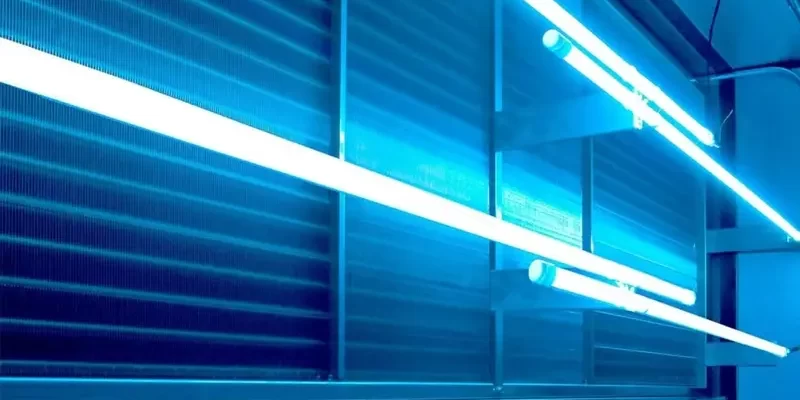
In today’s world, where indoor air quality (IAQ) is more critical than ever, integrating advanced technologies into HVAC systems has become essential. One such technology that has gained significant attention is the use of UV-C light within Air Handling Units (AHUs). This blog post will explore the advantages of UV-C light integration, its role in enhancing IAQ, and the considerations for implementing this technology in various settings.
Understanding UV-C Light Technology
UV-C light, a type of ultraviolet light with wavelengths between 200-280 nanometers, is known for its germicidal properties. It effectively inactivates and destroys bacteria, viruses, and mold spores by damaging their DNA or RNA, preventing them from reproducing. When integrated into AHUs, UV-C light serves as a powerful tool for maintaining cleaner air and reducing the spread of airborne pathogens.
How UV-C Light is Integrated into Air Handling Units
UV-C light can be incorporated into AHUs in several ways. The most common method involves installing UV-C lamps within the AHU, particularly in the coil and drain pan areas. These areas are prone to microbial growth due to moisture and darkness. By continuously exposing these components to UV-C light, microbial contamination is significantly reduced, ensuring that only clean, treated air circulates throughout the building.
Benefits of UV-C Light in AHUs
Improved Indoor Air Quality (IAQ):
- The primary benefit of UV-C light integration is the improvement of IAQ. By eliminating harmful microorganisms, UV-C light helps maintain a healthier indoor environment, reducing the risk of respiratory illnesses and allergies.
Energy Efficiency:
- UV-C light also contributes to energy savings. By keeping the coils clean and free of microbial buildup, the AHU operates more efficiently, reducing energy consumption and lowering operational costs.
Extended Equipment Life:
- Continuous exposure to UV-C light prevents the accumulation of biofilm on coils and other components, which can lead to corrosion and damage over time. This maintenance-free cleaning extends the lifespan of the AHU, reducing the need for frequent repairs or replacements.
Reduced Maintenance Costs:
- UV-C light reduces the need for chemical cleaning and manual coil maintenance, leading to lower maintenance costs and less downtime for the AHU system.
Considerations for UV-C Light Integration
While UV-C light offers numerous benefits, it’s essential to consider factors such as proper installation, lamp placement, and safety precautions. Ensuring that UV-C lamps are correctly positioned to maximize exposure to the target areas within the AHU is crucial for optimal performance. Additionally, UV-C light exposure should be managed to avoid potential harm to HVAC technicians during maintenance.
Applications of UV-C Light in Various Industries
- Hospitals and clinics benefit significantly from UV-C light integration in AHUs, as it helps reduce the spread of infections by maintaining sterile air conditions.
- Office buildings, shopping centers, and other commercial spaces use UV-C light to enhance IAQ, ensuring a healthier environment for employees and visitors.
- Hotels and resorts utilize UV-C light in AHUs to provide guests with a clean and safe indoor environment, contributing to overall guest satisfaction.
Educational Institutions:
- Schools and universities can improve IAQ for students and staff, creating a more conducive learning environment by integrating UV-C light into their HVAC systems.
Conclusion
UV-C light integration in Air Handling Units is a forward-thinking approach to improving indoor air quality, enhancing energy efficiency, and extending the life of HVAC equipment. As the demand for cleaner air continues to rise, UV-C technology is becoming a crucial component in modern AHUs, offering significant benefits across various industries.
For more information on UV-C light integration and other advanced HVAC solutions, feel free to contact ACS Klima, your trusted partner in air quality enhancement.

