

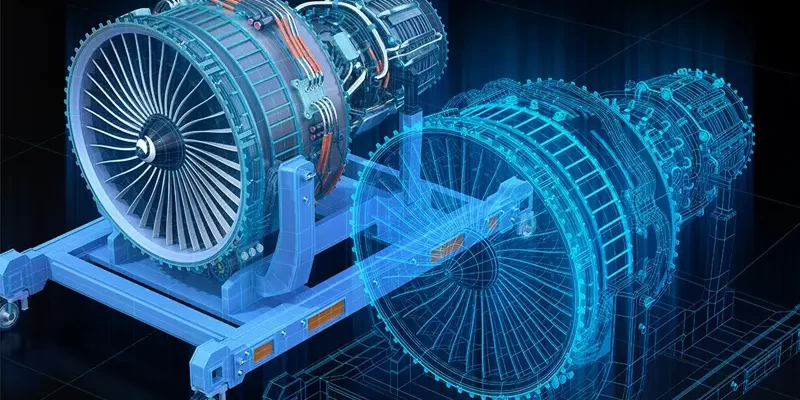
The HVAC industry has witnessed significant advancements in recent years, with digital twin technology emerging as a transformative tool for performance simulation, optimization, and maintenance planning. This technology is particularly impactful in the design, operation, and maintenance of Air Handling Units (AHUs), enabling HVAC professionals to create virtual models that closely replicate real-world systems. In this blog, we’ll explore how digital twin technology is revolutionizing the way AHUs are managed, offering substantial benefits in efficiency, cost savings, and sustainability.
What is Digital Twin Technology?
Digital twin technology involves creating a digital replica of a physical asset, such as an AHU, to simulate its behavior in real-time. This virtual model mirrors the physical system’s characteristics and operations, allowing engineers and technicians to analyze performance, predict failures, and optimize settings without physically interacting with the unit.
How Digital Twin Technology Enhances AHU Performance
Performance Simulation and Analysis
Digital twins allow HVAC professionals to simulate various operating conditions and environmental factors, providing insights into how an AHU will perform under different scenarios. This capability is invaluable in identifying potential inefficiencies and making data-driven decisions to optimize performance. By using a digital twin, you can model airflow, temperature distribution, energy consumption, and other critical parameters, ensuring your AHU operates at peak efficiency.
Predictive Maintenance and Reduced Downtime
One of the most significant advantages of digital twin technology is its ability to predict when maintenance is required. By continuously monitoring the virtual model, engineers can detect signs of wear and tear or component failure before they cause a breakdown. This proactive approach reduces unplanned downtime, extends the life of the AHU, and minimizes maintenance costs.
Optimization of Energy Efficiency
Digital twins enable real-time monitoring and adjustment of AHU settings to optimize energy usage. By simulating different configurations and operating conditions, you can identify the most energy-efficient settings for your unit. This not only reduces energy consumption but also contributes to lower operating costs and a smaller carbon footprint.
Improved Design and Customization
During the design phase, digital twins can simulate the performance of different AHU configurations, helping engineers select the best design for specific applications. Whether you’re designing a custom AHU for a hospital, hotel, or industrial facility, digital twin technology ensures that the unit will meet the required performance standards while minimizing costs.
Remote Monitoring and Control
Digital twins can be integrated with IoT devices, allowing for remote monitoring and control of AHUs. This capability is particularly beneficial for facilities management teams who need to oversee multiple units across different locations. Remote access to the digital twin means that adjustments can be made quickly and efficiently, even from a distance.
Real-World Applications of Digital Twin Technology in AHUs
Several leading air handling unit manufacturers are already leveraging digital twin technology to enhance their products and services. For example, some companies use digital twins to conduct virtual commissioning of AHUs, reducing the time and cost associated with on-site commissioning. Others use the technology to offer predictive maintenance services, helping their customers avoid costly downtime.
The Future of Digital Twins in HVAC
As digital twin technology continues to evolve, its applications in the HVAC industry will only expand. We can expect more sophisticated simulations, enhanced integration with AI and machine learning, and broader adoption across different types of HVAC systems. For air handling unit companies, embracing digital twin technology is not just an option—it’s a necessity for staying competitive in a rapidly changing industry.
Conclusion
Digital twin technology is reshaping the HVAC landscape, offering unprecedented opportunities for the simulation, optimization, and maintenance of Air Handling Units (AHUs). By adopting this technology, you can enhance the performance and efficiency of your AHUs, reduce costs, and extend the life of your equipment. As the industry continues to innovate, digital twins will play a crucial role in driving the next generation of HVAC solutions.

