

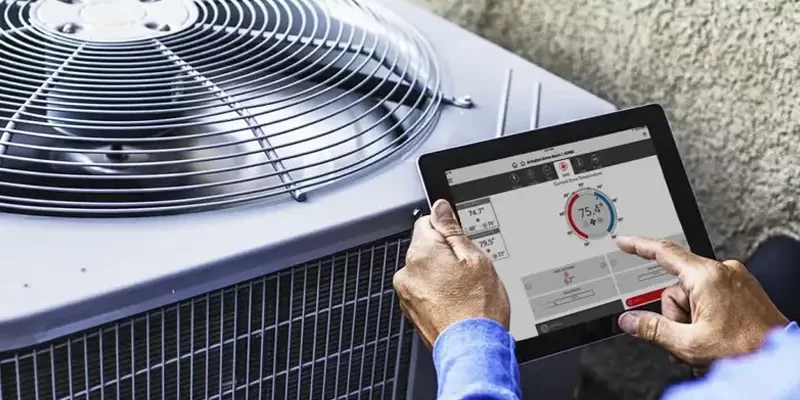
The HVAC (Heating, Ventilation, and Air Conditioning) industry is undergoing a significant transformation with the advent of IoT (Internet of Things) technology. IoT integration in HVAC systems is not only revolutionizing how these systems operate but also enhancing energy efficiency, comfort, and overall system management. This blog post explores the various facets of IoT integration in HVAC systems, highlighting its benefits, applications, and future prospects.
What is IoT and How Does It Integrate with HVAC Systems?
IoT Defined
The Internet of Things (IoT) refers to a network of interconnected devices that communicate and exchange data. These devices, embedded with sensors and software, collect and transmit information over the internet, enabling real-time monitoring and control.
Integration with HVAC Systems
IoT integration in HVAC systems involves embedding sensors and communication modules into HVAC equipment. These sensors gather data on various parameters like temperature, humidity, energy consumption, and indoor air quality. The data is then transmitted to a central system for analysis and control, enabling smarter and more efficient HVAC operation.
Benefits of IoT-Enabled HVAC Systems
1. Enhanced Energy Efficiency
IoT-enabled HVAC systems can optimize energy usage by adjusting operation based on real-time data. This leads to significant energy savings and reduced operational costs.
2. Predictive Maintenance
By continuously monitoring system performance, IoT sensors can predict potential failures before they occur. This allows for proactive maintenance, reducing downtime and extending the lifespan of HVAC equipment.
3. Improved Comfort and Air Quality
IoT systems can maintain optimal indoor conditions by adjusting temperature and humidity levels automatically. They also monitor air quality, ensuring a healthier environment by controlling ventilation and filtration processes.
4. Remote Monitoring and Control
IoT integration allows users to control HVAC systems remotely via smartphones or computers. This is particularly beneficial for large buildings or multiple locations, providing convenience and flexibility in managing HVAC operations.
5. Data-Driven Insights
The data collected by IoT sensors can be analyzed to gain insights into system performance and usage patterns. These insights help in making informed decisions for system optimization and energy management.
Applications of IoT in HVAC Systems
1. Smart Thermostats
Smart thermostats are one of the most common applications of IoT in HVAC systems. They allow for precise temperature control, learning user preferences, and optimizing energy use based on occupancy and weather conditions.
2. Building Management Systems (BMS)
IoT-integrated HVAC systems are often part of larger Building Management Systems. BMS provides centralized control and monitoring of all building systems, including HVAC, lighting, and security, leading to enhanced efficiency and comfort.
3. Fault Detection and Diagnostics (FDD)
IoT sensors continuously monitor HVAC system components, detecting anomalies that may indicate a fault. This enables early diagnosis and timely maintenance, preventing costly breakdowns.
4. Energy Management Systems (EMS)
IoT-enabled HVAC systems can be integrated with Energy Management Systems to monitor and optimize energy consumption. EMS provides detailed insights into energy usage patterns, helping to identify areas for improvement and cost savings.
Challenges and Considerations
1. Data Security and Privacy
With the increasing connectivity of devices, data security and privacy are major concerns. Ensuring that IoT systems are secure from cyber threats is crucial to protect sensitive information and maintain system integrity.
2. Integration with Legacy Systems
Many existing HVAC systems may not be compatible with IoT technology. Integrating IoT into legacy systems can be challenging and may require significant upgrades or replacements.
3. Cost of Implementation
While IoT integration offers long-term savings, the initial cost of implementation can be high. Businesses need to consider the return on investment when deciding to adopt IoT-enabled HVAC systems.
4. Technical Expertise
Implementing and managing IoT systems require technical expertise. Ensuring that the necessary skills are available within the organization or through external partners is essential for successful IoT integration.
The Future of IoT in HVAC
The future of IoT in HVAC systems is promising, with ongoing advancements in technology and increasing adoption across various sectors. Emerging trends include:
1. Artificial Intelligence and Machine Learning
AI and machine learning algorithms can analyze vast amounts of data from IoT sensors, providing deeper insights and enabling more precise control and optimization of HVAC systems.
2. Edge Computing
Edge computing involves processing data closer to the source rather than relying on centralized cloud servers. This reduces latency and enhances the real-time capabilities of IoT-enabled HVAC systems.
3. Integration with Renewable Energy
IoT can facilitate the integration of HVAC systems with renewable energy sources, optimizing energy usage and contributing to sustainability goals.
4. Smart Cities and IoT Ecosystems
As cities become smarter, IoT-enabled HVAC systems will play a critical role in managing urban infrastructure. They will be part of larger IoT ecosystems, contributing to efficient energy management and improved quality of life.
Conclusion
IoT integration in HVAC systems is transforming the industry, offering numerous benefits in terms of energy efficiency, maintenance, comfort, and control. While challenges exist, the potential for innovation and improvement is vast. As technology continues to evolve, IoT-enabled HVAC systems will become increasingly sophisticated, playing a pivotal role in creating smarter, more sustainable buildings.
If you liked this article, you can also take a look at our articles on F-Gas regulations and different types of ahu.

